04 Road markings and information signs
Road markings refine what the signs already require: a solid line forbids crossing or overtaking, a broken line allows it under the right conditions. Blue information signs point to directions, place names and services — they don't add new prohibitions.
61
What should a driver do when this road sign is placed in front of an intersection?
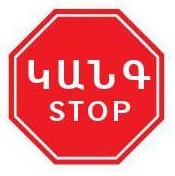
- A Drive through the intersection observing the safety rules.
- B Give way to vehicles moving on the crossing road.
- C Stop before the sign and give way to vehicles moving on the crossing road.
62
This road sign shows that ?
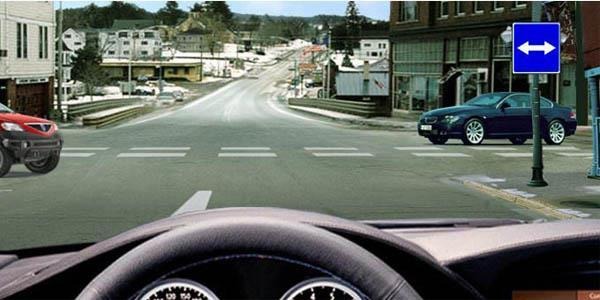
- A At an intersection one should go to the left or right.
- B There is reversible traffic on the road to be crossed.
- C One-way traffic is organized on the crossed road.
63
What do these road signs show?
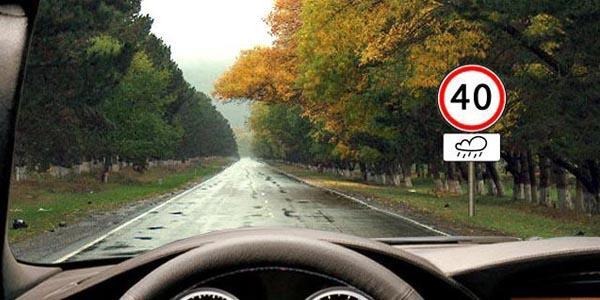
- A Drivers must travel at 40km/h in icy conditions.
- B Drivers should drive at a maximum speed of 40km/h when the road surface is wet.
64
Which signs do not apply to public vehicles?
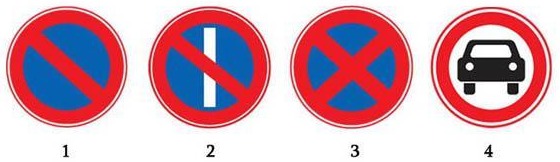
- A None.
- B Only the first one.
- C Only the fourth one.
65
Is the driver in this situation obliged to give way to a truck?
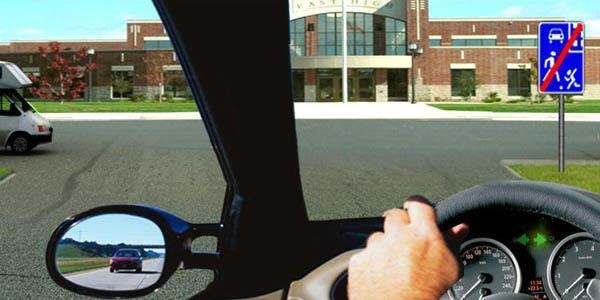
- A Obliged.
- B Not obliged.
66
What do these road signs show?
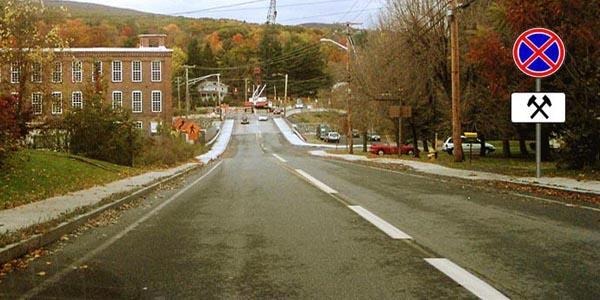
- A Parking is prohibited on Saturdays.
- B Parking is prohibited on Sundays.
- C Parking is prohibited on working days.
67
What does this road sign show?
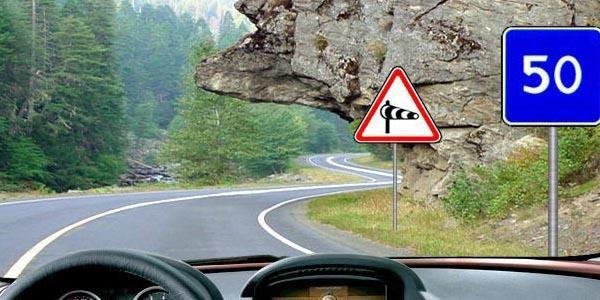
- A 1. Traffic on this section of the road is allowed at a speed of no more than 50 km/h.
- B It is recommended to drive on this road section at a speed of 50 km/h.
- C The traffic is only allowed at the speed indicated on the sign or more.
68
What do these road signs show?
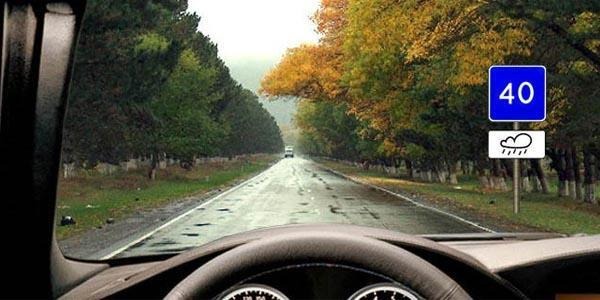
- A When the road surface is wet, it is recommended to drive at 40 km/h.
- B When the road surface is wet, it is recommended to drive at a maximum speed of 40 km/h.
69
What trajectory is allowed to bypass an obstacle in this situation?
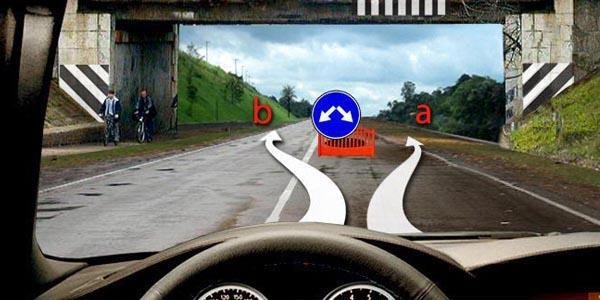
- A Only "a՛՛.
- B Only "b՛՛.
- C "a" and "b"
70
Which traffic sign forces the driver to go only to the left or to the right?
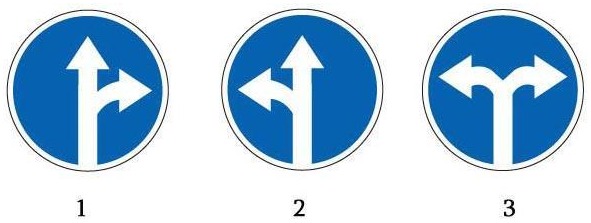
- A 1
- B 2
- C 3
71
These road signs apply to:
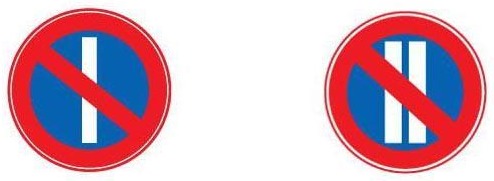
- A On the left side of the road.
- B On the right sideof the road.
- C The side of the road where they are installed.
72
What should the driver do in this situation?
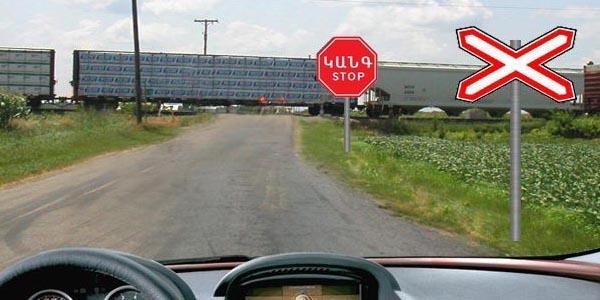
- A It is necessary to stop near the first sign.
- B It is necessary to stop before the second sign.
- C It is necessary to stop at a distance of at least 5 meters from the first railway line.
73
What should a driver do if he / she intends to make a right turn at an intersection?
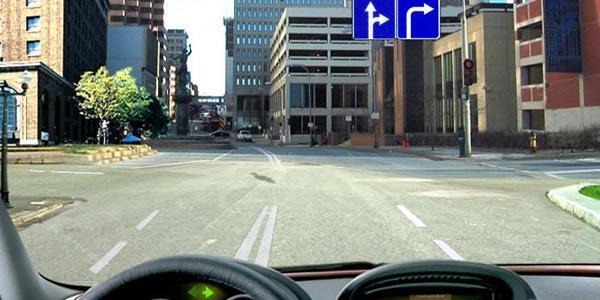
- A Can move to the right lane and then make a turn.
- B Can approach an intersection, then make a right turn.
- C Both answers are correct.
74
Is the driver obliged to stop at the place indicated by the traffic controller in this situation?
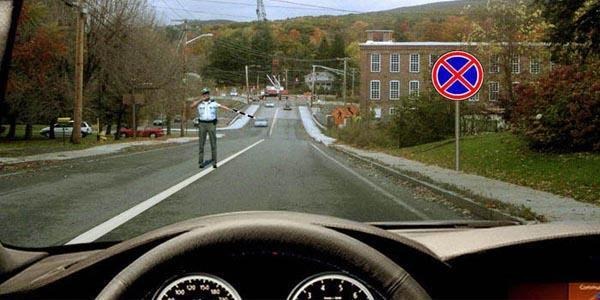
- A Not Obliged because the sign prohibits stopping.
- B Obliged
75
What does this road marking indicate on the roadway?
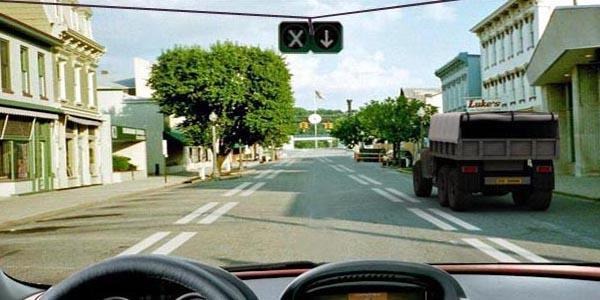
- A Boundaries of separate zones for vehicles traveling in the same direction.
- B Boundaries of thetraffic area lanes with reversing traffic.
76
Does the driver have the right to make a U-turn at a distance of 200 meters from the sign in this situation?
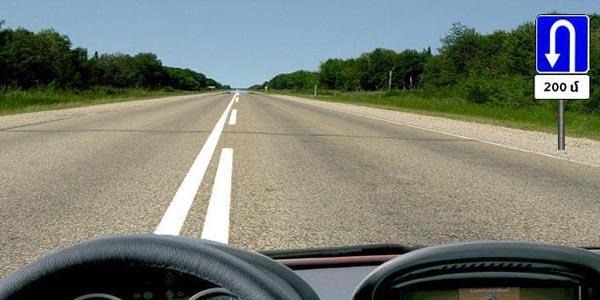
- A Has the right.
- B Has no right.
77
What should the driver do in this situation?
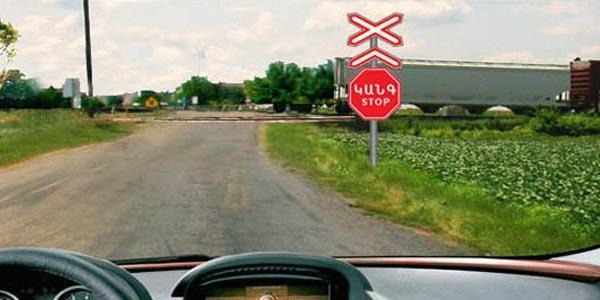
- A Drive through the railway crossing, observing safety measures.
- B Drive through the railway crossing without stopping.
- C Stop before the sign and safely pass the railroad crossing.
78
In which direction is a passenger car allowed to drive?
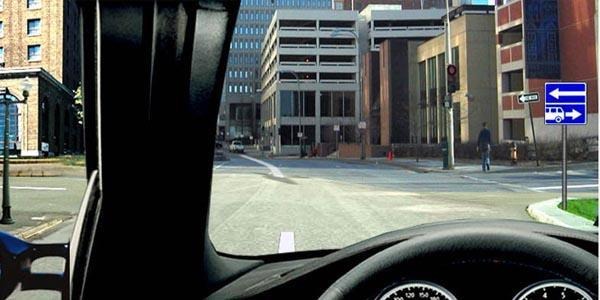
- A To the left and in the opposite direction.
- B In any direction.
- C Straight, left and opposite direction.
79
What should the driver do in this situation?
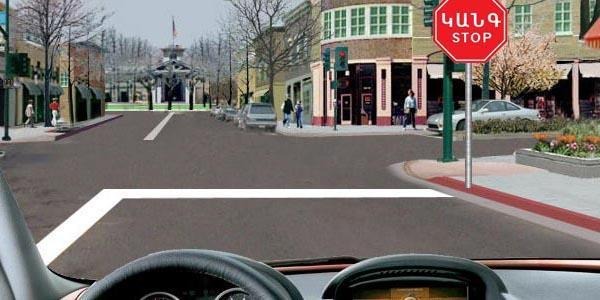
- A If necessary, give way to a vehicle moving on an intersecting road.
- B Stop and give wayto a vehicle moving on the crossing road.
80
At what maximum distance is the "intersection area" road sign placed at complex intersections if it is not possible to place it at the intersection border?
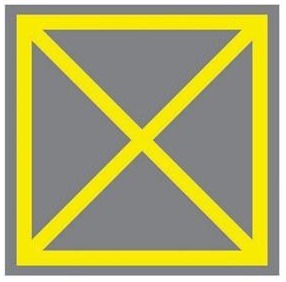
- A 10 m.
- B 20 m.
- C 30 m.