07 Stopping and parking
Stopping and parking are forbidden on pedestrian crossings and within 5 metres before them, at intersections and within 5 metres of them, on tram tracks, near level crossings, and anywhere the vehicle would hide a sign or obstruct other traffic.
21
This horizontal road marking indicates:
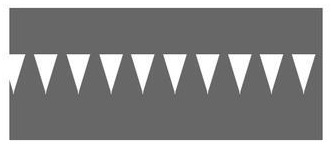
- A Narrowing of the traffic area where the number of traffic lanes in a given direction is reduced.
- B A place where thedriver must stop, if necessary, to give way to vehicles traveling on the road being crossed.
- C Approaching a place where stopping is prohibited.
22
With which road sign can a yellow dashed line marking be applied?
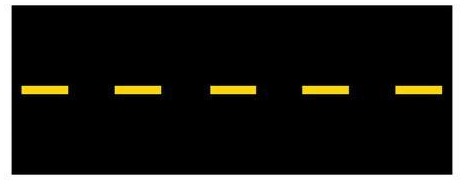
- A Stopping is forbidden՛՛
- B No Parking.
- C Parking is prohibited on odd days of the month.
23
This road marking has the following purpose:
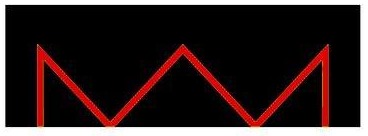
- A Marking of parking places, where the ways of parking of motor vehicles on the near-trampoline parking lot are indicated.
- B Designation of places where parking of motor vehicles is prohibited.
- C Designation of stops of public vehicles and taxi stops.
24
Is it permitted to drive onto a guide island marked with wide white lines?
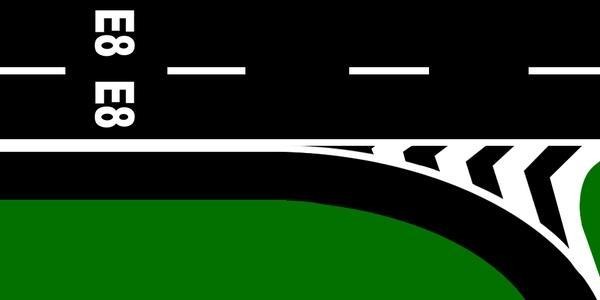
- A Allowed only for stopping.
- B Allowed when reversing.
- C Prohibited.
25
What must the driver of a vehicle do when approaching an intersection with a "stop line" and a green traffic light?
- A Stop at the "Stop Line", and then resume driving.
- B Continue driving through the intersection without stopping.
26
Where should the driver stop the vehicle if this marking is present?
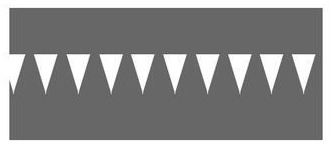
- A At this marking.
- B On this marking.
- C At least 5 meters in front of the marking.
27
Is it allowed to make a U-turn at this point?
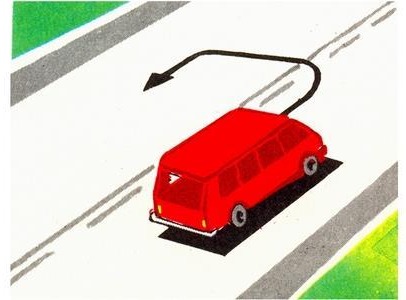
- A Allowed.
- B Prohibited.
28
What does this marking mean?
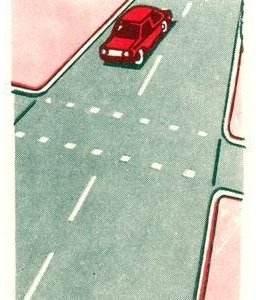
- A Crosswalk.
- B The place where a bicycle lane crosses a roadway.
- C The place where cattle cross.
29
What does this marking mean?
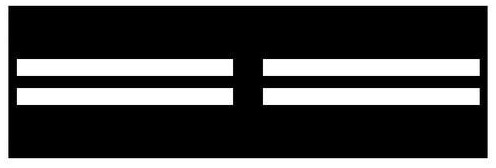
- A A lane for the movement of public vehicles.
- B The traffic lane for special vehicles.
- C Marks the boundaries of the traffic lanes where reversing regulation is carried out.
30
Is the driver of a tour bus allowed to enter the "A" lane if this marking is present?
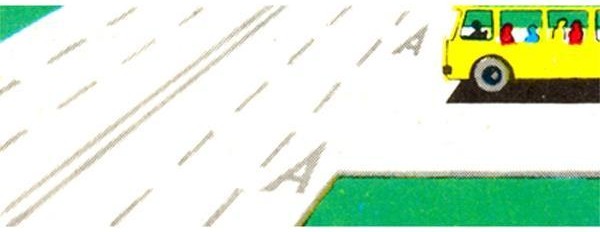
- A Allowed.
- B Prohibited.
31
What does a wide dashed line marking mean?
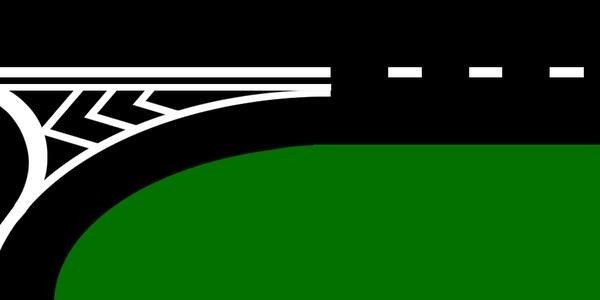
- A The boundary between the roadway and the shoulder.
- B The boundary between the acceleration lane and the main traffic area.
- C The boundary between the braking lane and the main traffic area lane.
32
In which picture did the driver correctly stop his car to drop off passengers?
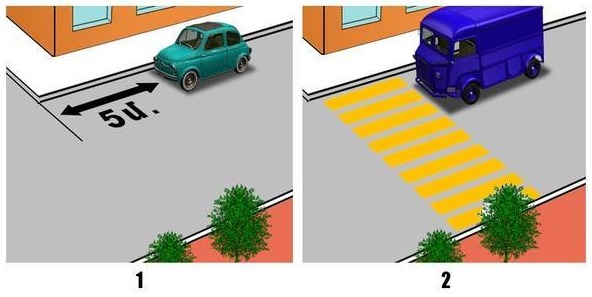
- A In the left picture.
- B In both pictures.
- C In the right picture.
33
In populated areas, on roads with one lane of traffic in each direction, in the absence of streetcar tracks in the middle, stop and park on the left side of the road:
- A Allowed.
- B Prohibited.
34
Which vehicle is allowed to stop in the area covered by these signs?
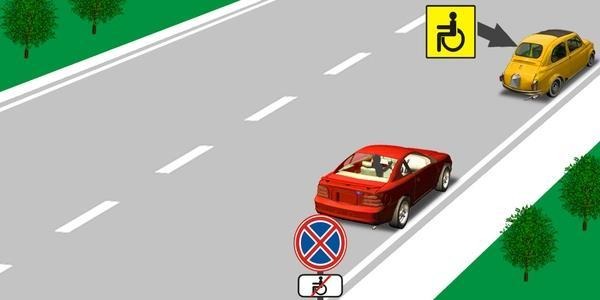
- A Red.
- B Both cars.
- C Neither.
- D The yellow one, marked with the "Disabled" sign.
35
The signal to stop the train is?
- A A circular movement of the hand (during the day with a flap of bright cloth or some clearly visible object, at night with a torch or lantern).
- B Hand raised above head with baton or red flag.
- C An arm stretched forward.
- D Swinging up and down with arm outstretched forward.
36
At what distance from the "Stop Line" or the "No Stopping" sign must a driver stop to miss an approaching train?
- A 1,5 m.
- B 2,5 m.
- C 5 m.
- D 10 m.
- E Directly at the "Stop Line՛՛՛ and (or) the sign.
37
Is a stop allowed at this location?
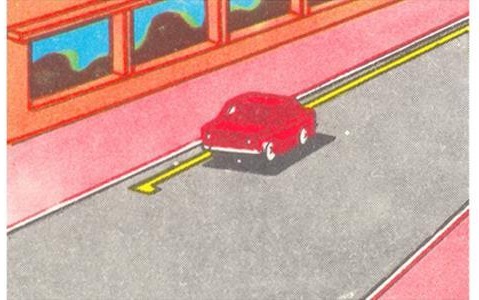
- A Allowed.
- B Prohibited.
38
The driver of which vehicle violated the parking rules?
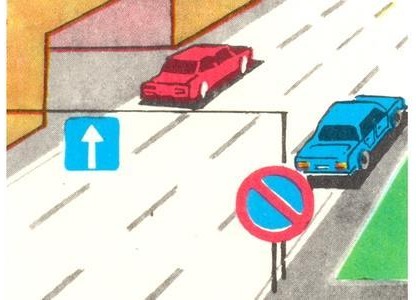
- A Driver of the blue car.
- B The driver of thered car.
- C Both drivers violated.
- D Both drivers did not violate.
39
Stopping is prohibited if the distance between the solid line of the marking and the stopped vehicle is:
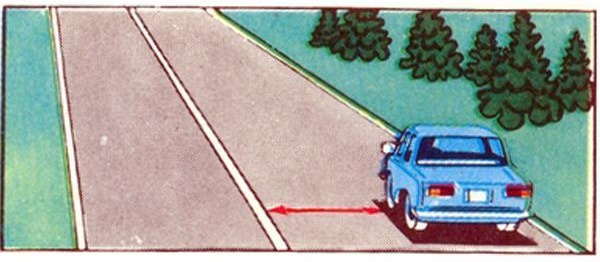
- A 6 m.
- B 5.5 m.
- C 4 m.
- D 3.5 m.
- E 2.5 m.
40
Is it allowed to stop the car in this place?
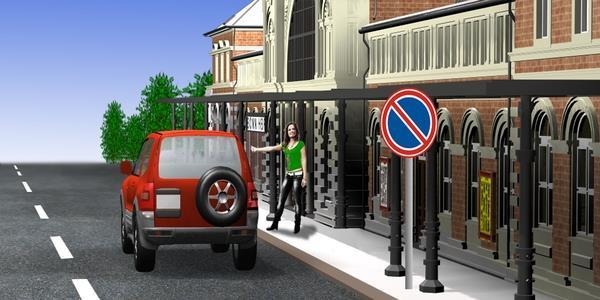
- A Prohibited, because the distance between the dashed line of markings and the stopped vehicle is less than 3 m.
- B Prohibited on even numbered days of the month.
- C Allowed.