
07 Stopping and parking
Stopping and parking are forbidden on pedestrian crossings and within 5 metres before them, at intersections and within 5 metres of them, on tram tracks, near level crossings, and anywhere the vehicle would hide a sign or obstruct other traffic.
41
Where are vehicles allowed to park outside of populated areas for long periods of time for recreation, overnight stays, etc.?
- A On the side of the road.
- B On parking areas or off the road.
- C On the right side of the traffic area, but in such way that does not obstruct the movement of other vehicles.
- D On the left side of the road, but in such a way that it does not impede the movement of other vehicles.
42
If the traffic through a railway crossing is prohibited and there are no traffic lights, road signs, markings and a barrier, the driver must stop:
- A Not closer than 5 meters from the nearest rail.
- B Not closer than 7 meters from the nearest rail .
- C At least 10 meters from the nearest rail.
43
At what distance from the railway crossing is the parking of vehicles prohibited?
- A 15 m.
- B 50 m.
- C 100 m.
- D 150 m.
44
Which of the vehicledrivers parked incorrectly to disembark passengers?
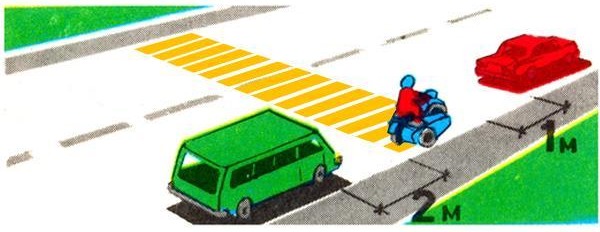
- A The driver of the passenger car.
- B The driver of a motorcycle.
- C Bus driver.
- D Motorcycle and bus drivers
- E All drivers.
45
Is the tourist bus driver allowed to drive in the "A" lane?
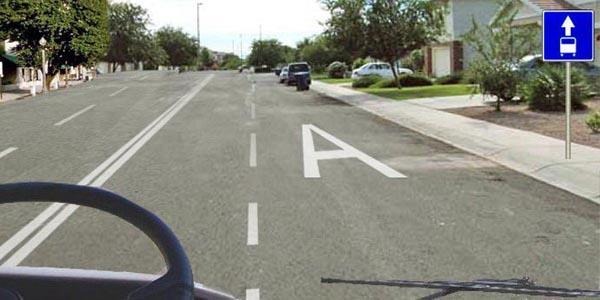
- A Prohibited.
- B Allowed.
46
Which answer identifies all drivers who violated the stop rule?
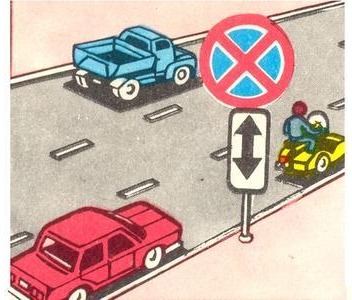
- A The driver of the red car and motorcycle.
- B The driver of theblue car.
- C The driver of the motorcycle.
- D Drivers of all vehicles.
47
If traffic through the railway crossing is prohibited and there are no traffic lights, road signs and markings, the driver must stop:
- A Not closer than 5 meters from the barrier.
- B Not closer than 3 meters from the barrier.
- C Immediately in front of the barrier.
48
What does the letter "A" on the lane of the roadway mean?
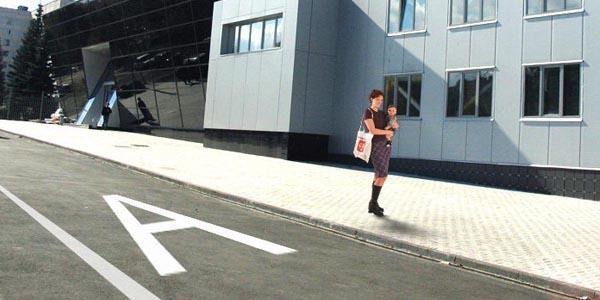
- A The number of the road (route).
- B A special lane designated for the movement of public vehicles.
- C A special lane designated for the movement of vehicles of category ,,A".
49
Is the vehicle allowed to stop at the specified place to drop off the passenger?
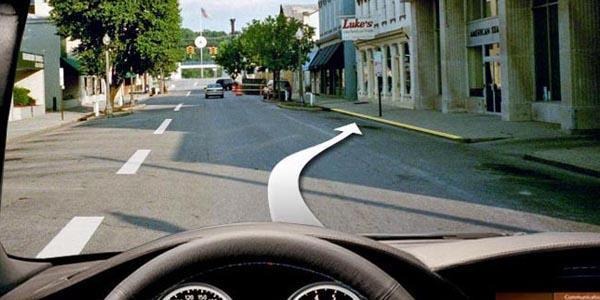
- A Allowed.
- B Prohibited.
- C Allowed, but having climbed the sidewalk.
50
Such vertical markings are indicated by:
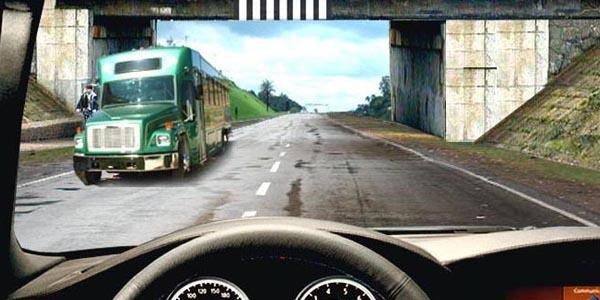
- A The lower edge of a bridge or tunnel.
- B The entrance to unlit tunnels.
- C Any element of road constructions, which creates a danger to traffic.
51
The driver of the bus has made a stop to board passengers. A passenger car is moving at a speed of 70 km/h. Which vehicle driver violated the traffic rules?
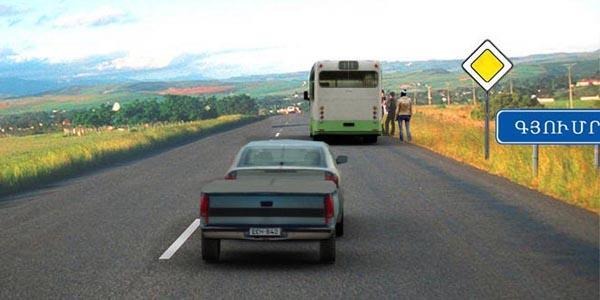
- A None.
- B Bus driver.
- C Car driver.
- D Both drivers.
52
Is it allowed to continue driving in the direction indicated by the arrow?
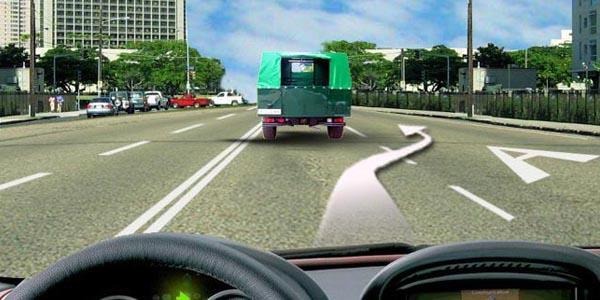
- A Prohibited.
- B Allowed in all cases.
- C Allowed, for stopping to drop off passengers.
- D Allowed, for the purpose of overtaking a truck.
53
What should the driver of a car do if the bus driver starts to brake?
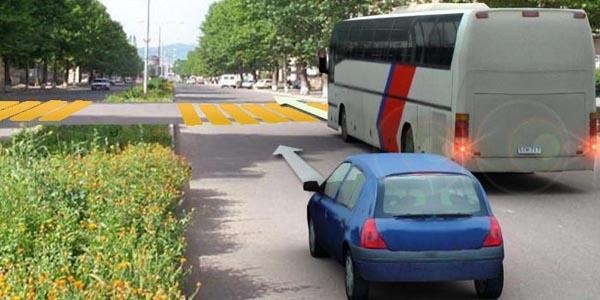
- A Continue driving.
- B Slow down and, if necessary, stop and continue driving, making sure there are no pedestrians at the crossing.
- C Stop and continue driving only when the bus resumes driving.
54
In which of the following cases can a bus driver take the middle lane on a three-lane two-way road that is used for traffic in both directions?
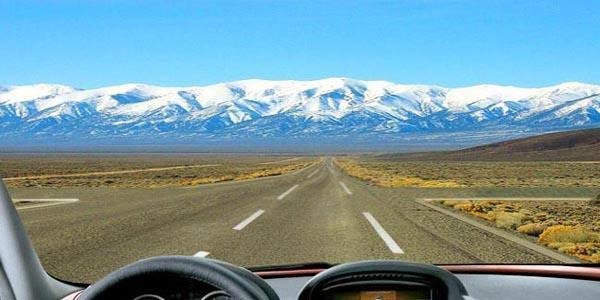
- A For the purpose of overtaking or detouring.
- B For the purpose of making a left turn or a U-turn.
- C For both of these purposes.
- D There are no correct answers.
55
Where should the driver stop in this situation?
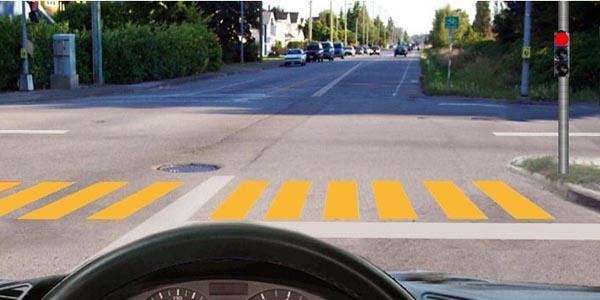
- A Not necessary to stop.
- B Before a traffic light.
- C In front of the road marking "Stop line՛՛՛.
- D Before crossing the traffic lanes.
56
Is the driver of public transport performing regular passenger transportation allowed to stop at the given place for the purpose of boarding passengers?
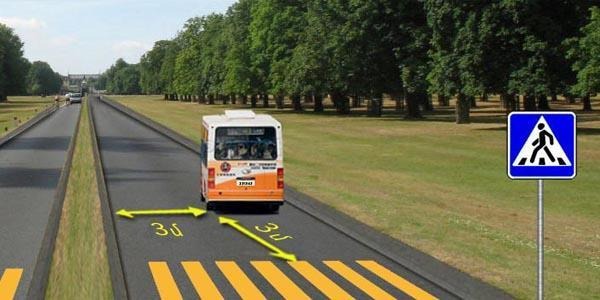
- A Prohibited.
- B Allowed.
57
When proceeding to the left, where should a bus driver stop to give way to a passenger car?
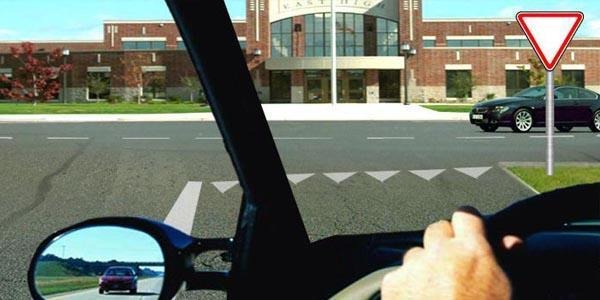
- A In front of a road sign.
- B At a road marking.
- C In a safe place, at the discretion of the driver.
58
The bus has stopped, giving way to pedestrians. Does the driver of the car violate the traffic rules in this situation?
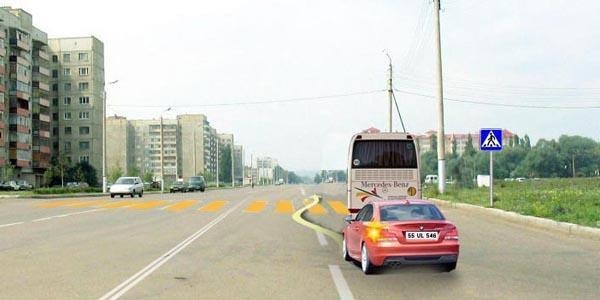
- A Violates.
- B Does not violate.
59
Does the tourist bus driver have the right to park at this location for an extended rest period?
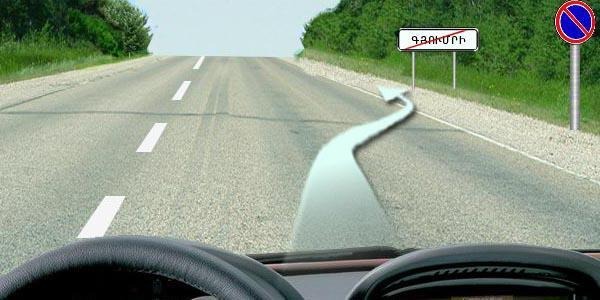
- A Has the right.
- B Does not have the right.
60
Where should the driver stop in this situation?
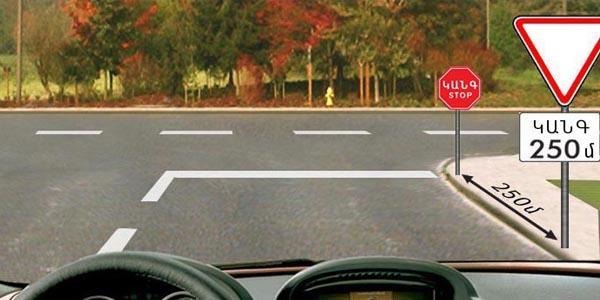
- A Before the first road sign.
- B Before the road marking "Stop line".
- C Before the second road sign.
- D Stopping is not necessary.